
Amazon’s robot taxi service Zoox will start charging for rides in 2026, with ‘laser focus’ on transporting people, not deliveries, co-founder says | Luck
Amazon’s self-driving robotaxi subsidiary Zoox expects to start charging passengers for rides in Las Vegas in early 2026, with paid rides in the San Francisco Bay Area coming late next year, the company’s executive said Monday.
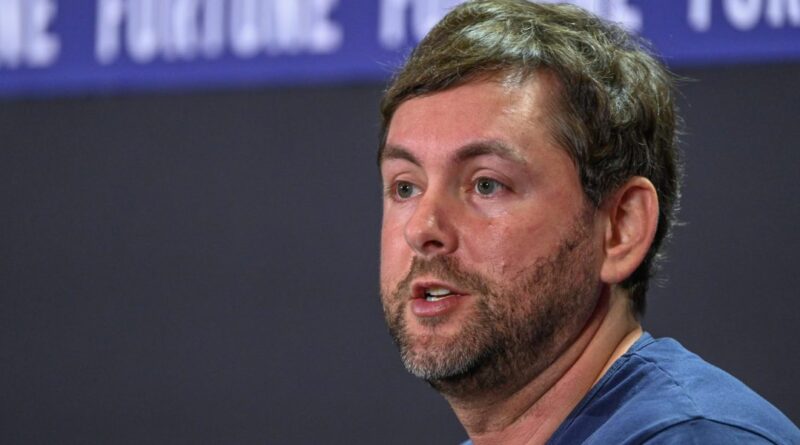
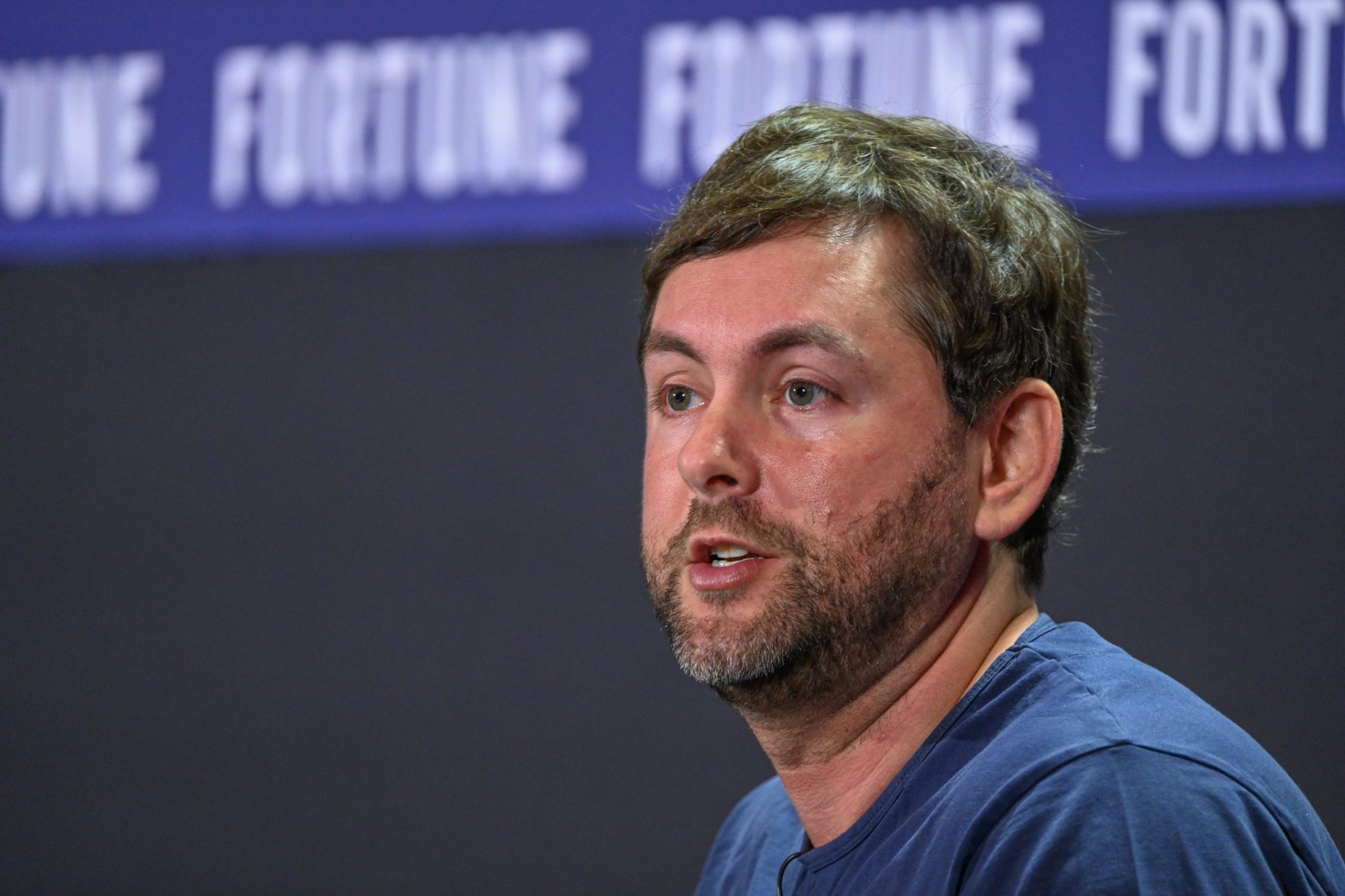
The move, which would represent a key milestone for Zoox in its bid to catch up with Alphabet’s Waymo, depends on getting federal regulatory and state approvals, Zoox co-founder and chief technology officer Jesse Levinson told an audience at the Fortune Brainstorm AI event in San Francisco on Monday.
And while robotics competitor Waymo recently partnered with DoorDash to test food delivery with driverless cars, Levinson said Zoox has a “laser focus” on moving people around cities, a market he says is “simply huge.” The directive came “from the very top” at Amazon, he added, despite the retailer’s considerable interest in driverless package delivery.
“It’s harder to move people than packages in terms of what you have to do with your vehicle,” Levinson said. On the other hand, automating package delivery has its own challenges, as the boxes have to get in and out of the vehicle, which is not as simple as people who can move themselves, he added.
Zoox last week passed the technical milestone of 1 million miles for autonomous driving, Levinson said. The company’s different stroller-based vehicles, which don’t have steering wheels or manual controls, currently give passengers free rides in parts of Las Vegas, and Zoox is slowly opening a waiting list to use the service in San Francisco.
Despite progress and plans to start charging fares, Zoox won’t generate revenue that’s meaningful to Amazon, its $2.4 trillion parent company, for at least several more years, Levinson said.
“That’s pretty expensive,” Levinson said. “Over the next few years, it’s going to be a really interesting business because the revenue you can generate from robotaxis is quite a bit higher than the cost of running a robotaxis.”
That’s the point where the deal becomes “financially more interesting,” he added.
Building cars without human drivers
While creating a driverless robotaxi service comes with various challenges, Levinson believes it will eventually be a key method for moving people around dense urban areas.
“Our view is that people don’t do it, not because it’s not a good idea, but because it’s really hard,” Levinson said. “It takes a lot of time, it’s very diverse and it’s expensive. But I think over time it will be a much more popular way of transporting people.”
One of the gaps between a driverless robotic axi service like Zoox and Waymo is in the way the cars are built, according to Levinson. Rather than retrofitted vehicles that were built with a human driver in mind, Zoox cars were built to be driverless. Levinson said the four-passenger cabins feature coach seats, active suspension, individual screens for each seat and four-zone climate control.
“Cars that have been designed for the last 100 years are for people,” Levinson said. “All the options, their shape, their architecture, what components they have in them – it was all designed for human drivers.” Levinson said Zoox offers a more convenient, social rider experience that he thinks will differentiate it from competitors like Waymo and potentially Tesla’s fleet of robot taxis.
Another competitive element for Zoox is its battery, Levinson said. A larger battery is better for the environment and the economy because it requires less charging.
“The economic opportunity and the opportunity for customers (like us) to create this whole new category of transportation is actually much more exciting and even more financially compelling than simply taking something they’re doing today and saving a little bit of money,” he said.